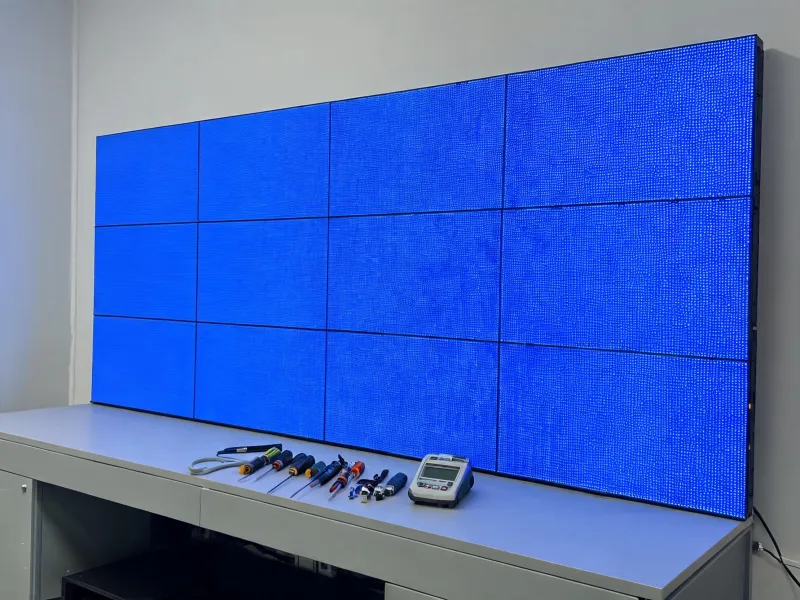
Fine-pitch indoor walls
Resolve nearest viewer, small-text legibility, low-gray consistency and front-service clearance together.
Review the catalog →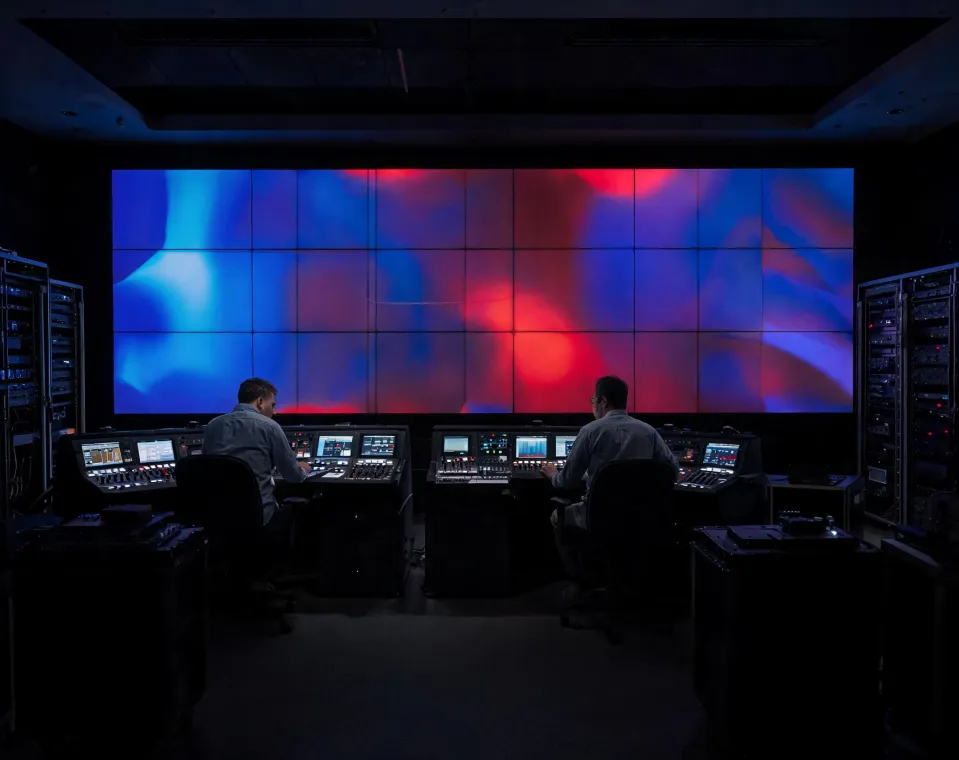
Move quickly from viewing distance, canvas size and ambient light to a cabinet matrix, signal plan and test record that project teams can review.
Choose a route by sightline, duty cycle, mounting depth and content workflow, then verify final limits in the selected series datasheet.
Resolve nearest viewer, small-text legibility, low-gray consistency and front-service clearance together.
Review the catalog →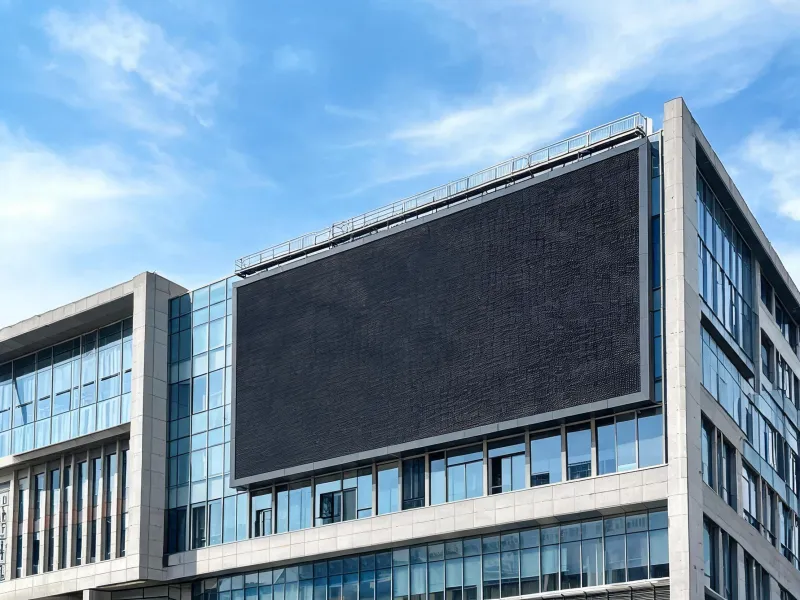
Coordinate luminance control, structural interface, environmental protection and scheduled access.
Match an application →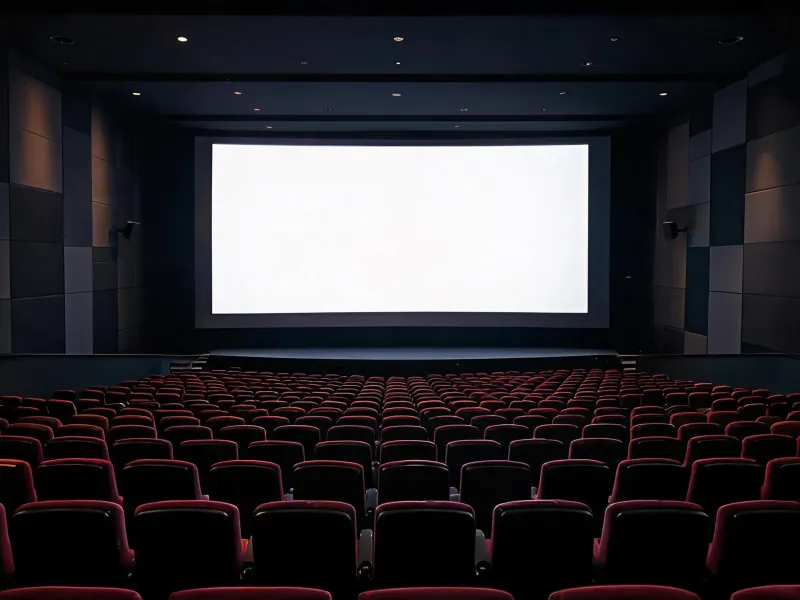
Qualify DCI documentation, auditorium geometry, acoustic interfaces and calibrated image conditions before commercial review.
Plan project services →Price-per-square-meter requests become useful only after the active area, cabinet arrangement and verification scope are comparable.
Record active width, active height, target resolution and permissible module transitions.
Document nearest, typical and farthest viewers with the smallest critical content.
Measure ambient illuminance at the display plane and define operating brightness scenes.
Compare front and rear access against wall depth, lifting method and maintenance windows.
Agree test patterns, warm-up condition, measurement zones and recovery checks before sign-off.
Nearest, typical and farthest viewing positions keep pixel-pitch discussion grounded.
White, black, low gray, gradients, fine text and motion expose different risks.
Primary and backup routes are exercised when operational continuity requires them.
Configuration, measured conditions and service notes remain together at handover.
Include active dimensions, minimum viewing distance, ambient-light notes, daily run time and access constraints. The reply can then identify missing decisions and the next verification step.